Worn Suspension Components Identified Before Parts Are Ordered
Suspension service in Kansas City for vehicles with handling changes, tire wear, or ride quality issues
Struts, ball joints, control arm bushings, and shocks wear gradually, which means the change in how a vehicle handles happens slowly enough that drivers often adjust to it without noticing until a specific symptom forces attention. First Time Fix IT provides mobile suspension service in Kansas City and the Avondale area, with the technician inspecting each component on site and giving you a clear account of what is worn, what the consequence is, and what can reasonably wait. Foreign and domestic vehicles are serviced, and nothing gets replaced without your approval after the inspection findings are explained.
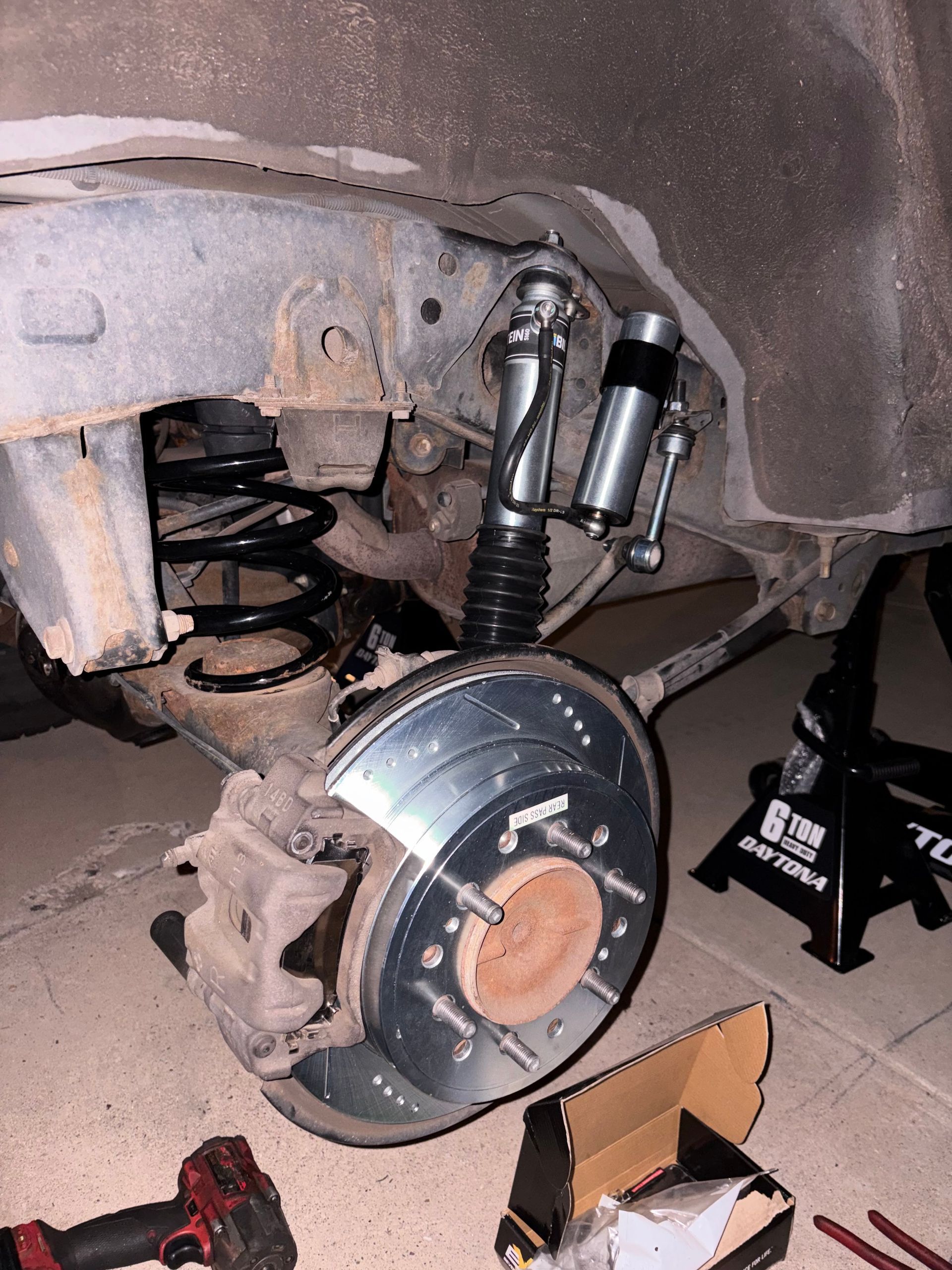
The inspection is conducted with the vehicle raised safely on stands, which allows the technician to check struts and shocks for leakage and travel, test ball joints for play, and flex bushings and control arm mounts by hand to identify cracking or collapse. That physical inspection, rather than a visual-only assessment, is what reveals components that are marginal versus components that are actually failing.
Request a mobile suspension inspection at your address to get a specific account of what your vehicle's undercarriage currently shows.
Why Suspension Wear Shows Up the Way It Does
Suspension components wear unevenly depending on driving patterns, road surface, and vehicle load. Street-parked vehicles in Avondale and Pleasant Valley that navigate curb approaches and potholed surface streets regularly put lateral stress on ball joints and bushings that highway miles do not produce at the same rate. A technician who inspects components physically, rather than estimating wear from mileage, can identify which specific joints and mounts have taken the load and which are still in acceptable condition.
After worn components are replaced, the difference appears in steering precision and ride consistency. A vehicle that pulled slightly or wandered on straight roads tracks cleanly. Clunking over bumps or dips that came from a loose strut mount or collapsed bushing stops. Tire wear that was developing unevenly across a tread face corrects once the geometry is restored by the new components.
First Time Fix IT separates what needs replacement now from what can be monitored, so you are not committing to a full suspension overhaul when one or two components are the actual problem. That distinction is part of the inspection report rather than something you have to ask for separately.
What to Know About Suspension Inspection and Repair
Suspension questions are often about what the inspection actually covers, how to read the symptoms, and what distinguishes components that need immediate attention from those that are just showing age. Here is what the work involves.
How does the technician test a ball joint during a mobile inspection?
With the vehicle raised on stands, the technician checks for vertical and lateral play in the joint by applying load in both directions. Acceptable movement is minimal; a joint with detectable play under manual force has lost the tolerance that keeps the wheel geometry stable.
What suspension symptom indicates a strut is failing rather than a bushing?
A strut that is leaking oil or has lost damping will allow the vehicle body to continue oscillating after a bump rather than settling immediately. A bushing failure more often produces a specific clunk or knock at a consistent point in the wheel travel, typically when transitioning from a dip to a flat surface.
Why does uneven tire wear point to a suspension problem rather than just a tire problem?
When a ball joint or control arm bushing allows the wheel to sit at an angle outside the designed camber range, the tire contacts the road unevenly across its width. Rotating or replacing tires without addressing the alignment source means the new tires wear the same way.
What happens to steering feel when struts are replaced on a vehicle that has been running worn ones for an extended period?
Steering becomes noticeably more direct because the strut is no longer allowing the wheel to move outside its designed arc under cornering load. Drivers sometimes describe it as the vehicle feeling smaller or tighter, which reflects restored geometry rather than any change in the steering system itself.
How does the mobile inspection process handle components that are borderline rather than clearly failed?
The technician documents the condition of borderline components and explains at what point they would require attention, so you can make an informed decision about timing rather than being told everything must be done immediately.
First Time Fix IT also performs
mobile suspension service across the northern Kansas City metro. To arrange an undercarriage inspection at your home or work address, call (816) 500-0070 and describe the symptoms you have been noticing.