
A Light That Deserves a Real Answer
Check Engine Light Diagnostic in Kansas City for vehicles throwing codes with no clear cause
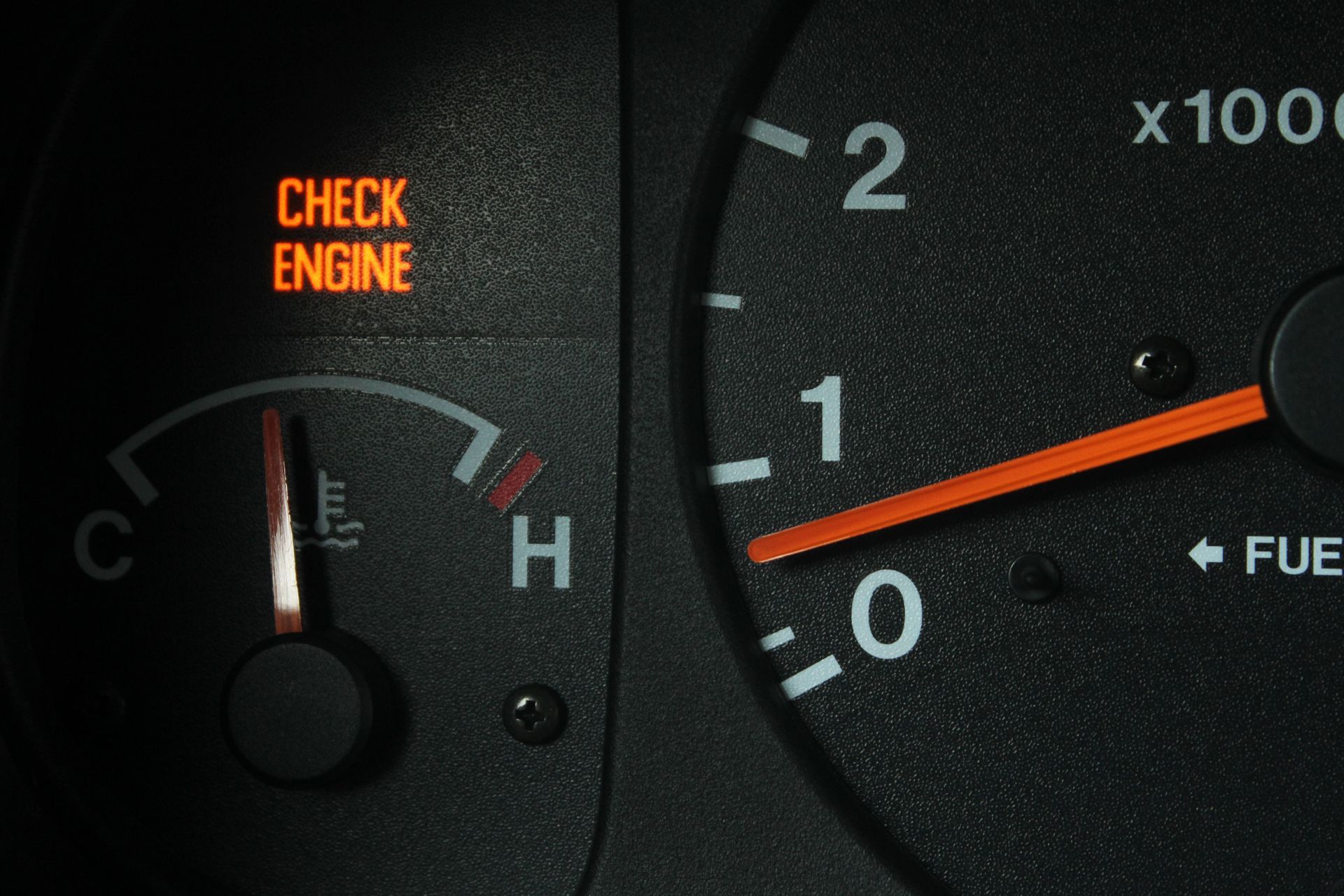
First Time Fix IT diagnoses check engine lights for drivers in Kansas City, reading the stored codes and then testing the actual cause at your home or work location rather than asking you to drive an uncertain vehicle across town. Plenty of vehicles in the northern metro run high daily mileage on commuter routes, and when a light appears it is often a sensor or emissions issue that costs far less to confirm with proper equipment than to guess at by swapping parts. Owner-operated and covering both foreign and domestic vehicles, First Time Fix IT approaches every diagnosis the same way: find out what the system is actually reporting before recommending anything.
The diagnostic process starts with reading the fault codes stored in the vehicle's onboard computer, but it does not stop there. A code points to a circuit or system, not necessarily to a single failed component, and confirming which component is actually responsible requires live data testing and component-level checks. That distinction matters because replacing a part based on a code alone without verifying the underlying condition is how unnecessary repairs happen, and First Time Fix IT does not recommend work that the diagnosis has not justified.
Schedule an on-site diagnostic to find out exactly what triggered your check engine light and what, if anything, needs to be addressed.
What a Proper Diagnostic Actually Involves
Reading codes is step one. What follows is where the diagnostic work actually happens: live data monitoring, component testing, and circuit checks that confirm whether the fault is current or stored, intermittent or consistent, and whether the flagged system is the origin point or a downstream effect of something else. Those distinctions change the repair recommendation entirely, and skipping them is how a technician ends up replacing the wrong part.
Once the cause is confirmed, you will have a clear explanation of what the system found, what it means for drivability, and whether the vehicle is safe to continue using while you decide on next steps. There is no pressure toward a repair that the data has not supported. That is the observable difference between a real diagnostic and a code read offered as a substitute for one.
Some check engine conditions involve multiple stored codes, and the sequence in which they are addressed matters. Emissions-related codes, for example, may be triggered by a fuel system condition that first needs to be resolved before secondary codes can be properly evaluated. First Time Fix IT accounts for that sequencing and explains the priority order before any work begins.
Common Questions About the Diagnostic Process
Drivers in Kansas City frequently have questions about what a diagnostic actually involves versus a basic code read. The answers below focus on how the work is performed and what to expect during the process.
What is the difference between reading a code and performing a diagnostic?
A code read retrieves a fault code from the vehicle's computer, which identifies a system or circuit. A full diagnostic goes further, testing the specific component or wiring within that system to confirm the actual cause before any repair is recommended.
How does the technician confirm whether the fault is real or a stored ghost code?
Live data streaming is used alongside component-level testing to determine whether the fault condition is present and active, which separates a current failure from a code that was set during a previous condition and never cleared.
What should you do while the check engine light is on before a diagnostic is performed?
Continue driving only if the light is steady rather than flashing. A flashing check engine light typically indicates an active misfire that can damage the catalytic converter, and in that case the vehicle should be assessed promptly.
Why does the same code sometimes result in different repair recommendations on different vehicles?
Codes are manufacturer-specific in meaning and context, and the same code number can point to different root causes on a foreign versus domestic vehicle or across different model years, which is why vehicle-specific testing matters.
How does working on-site in Kansas City affect the diagnostic process?
For vehicles in neighborhoods like Gladstone or North Kansas City where the car is parked at home, an on-site diagnostic means the technician can check the vehicle in its actual condition without a tow that might alter starting behavior or battery state.
First Time Fix IT brings twelve years of hands-on technician experience to every diagnostic and has maintained a regular commercial account with U-Haul alongside private vehicle work for seven years. To find out what your check engine light is actually reporting, request an on-site diagnostic appointment at your home or workplace location.