
A Car That Won't Start Needs a Cause, Not a Guess
No-Start Diagnosis in Kansas City for vehicles that crank but won't fire, or won't turn over at all
When a vehicle will not start in a driveway or on a street in north Kansas City, the most practical response is a technician who comes to the car rather than a tow truck that hauls it somewhere else. First Time Fix IT diagnoses no-start conditions in Kansas City, arriving at the vehicle's location to identify why it will not turn over or run on foreign and domestic cars. A no-start is not a single problem—it is a symptom that points toward battery, starter, fuel delivery, or ignition, and the diagnostic process exists to identify which of those systems is the actual cause before any part is touched.
The diagnostic sequence begins with battery voltage under load, which separates a no-crank condition from a no-start condition: a vehicle that cranks normally but will not fire has a different failure profile than one that makes no sound at all. From there, starter operation, fuel delivery pressure, and spark presence are each checked in a logical order, so the failed component is identified rather than inferred. First Time Fix IT fixes the actual cause rather than replacing parts in sequence until the car starts, which is the approach that produces unnecessary costs and sometimes still leaves the root problem unresolved.
Arrange an on-site no-start evaluation and find out exactly which system is preventing the vehicle from starting before any repair is quoted.
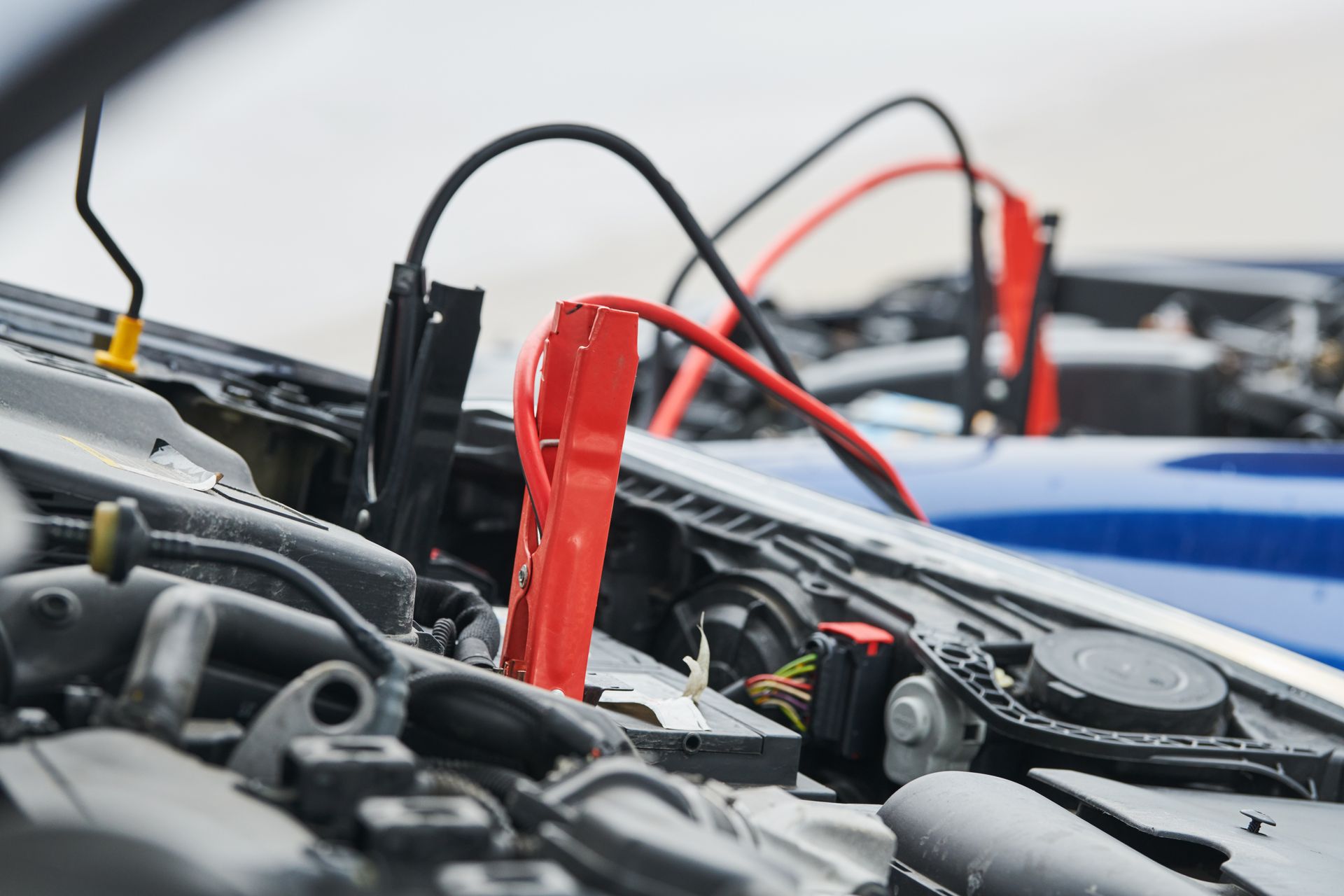
What No-Start Diagnosis Actually Accomplishes
A no-start diagnosis is a structured elimination process. Battery voltage is checked first because a battery below the threshold for starter engagement will prevent the vehicle from cranking regardless of whether the starter, fuel system, or ignition are in perfect working order. That one measurement separates a significant portion of no-start calls immediately. If the battery holds voltage and the starter engages, the next step shifts to fuel pressure testing and spark confirmation, each of which further narrows the search to a specific component.
Once the failed component is identified, the explanation you receive will be specific and observable: a battery that reads below the minimum cranking voltage, a starter that draws excessive current without turning the engine, a fuel rail with no pressure when the ignition is cycled, or a coil that produces no spark output. Those details are what make the repair recommendation credible, and they are what First Time Fix IT provides before any quote is presented.
In some no-start situations, more than one system is involved—a discharged battery that caused a hard start that then wore out a weakened starter, for example. The diagnostic process accounts for that possibility, and any compounding condition is identified and explained alongside the primary failure rather than discovered after the first repair is already completed.
Questions Before Starting Your Project
The questions below address how no-start diagnosis is performed on-site and what the evaluation process looks like from the first check through the repair recommendation.
How does the technician determine whether a no-start is a battery, starter, fuel, or ignition problem?
Each system produces a distinct symptom when it fails: a dead battery prevents cranking entirely, a bad starter cranks slowly or not at all despite battery voltage, a fuel system failure allows normal cranking with no engine catch, and an ignition failure produces cranking with no spark—each pattern is checked in sequence to isolate the fault.
What information should you have ready when the technician arrives for a no-start diagnosis?
Note whether the vehicle makes any sound when the key is turned, whether the battery has been recently jumped or replaced, whether any warning lights were on before the no-start, and whether the problem appeared suddenly or followed a period of slow starting—those details narrow the initial focus of the diagnostic.
Why does fixing the confirmed cause matter more than replacing the most common no-start parts?
Replacing a battery in a vehicle with a failed starter, or replacing a starter on a vehicle with a fuel delivery problem, leaves the actual fault in place and adds unnecessary cost. Confirming the cause through testing before replacement is what prevents that outcome.
How does performing the diagnosis at the vehicle's location in Avondale or North Kansas City affect the process?
Evaluating the vehicle where it is parked preserves its actual battery state, fuel pressure, and starting condition. A vehicle that is towed may show different readings after the movement and temperature changes that come with transport, which can complicate the diagnostic picture.
When is a tow genuinely necessary despite an on-site diagnostic being available?
If the diagnosis confirms an internal engine failure—a seized component, broken timing chain, or hydrolocked cylinder—the vehicle cannot be repaired on-site and towing to a shop becomes necessary. That determination is made after the on-site diagnosis confirms the scope of the problem.
First Time Fix IT also performs no-start diagnosis in Gladstone, North Kansas City, Pleasant Valley, and the surrounding northern metro. To have a technician come to your vehicle's location, call First Time Fix IT at (816) 500-0070 and describe what the car does (or does not do) when you attempt to start it so the right diagnostic equipment is brought to the call.